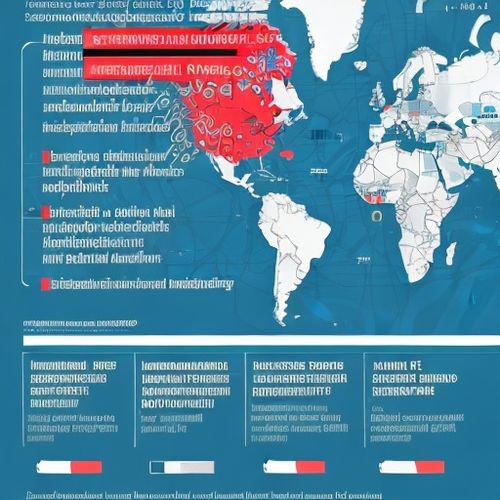
In the heart of West Texas, a troubling outbreak of measles has captured the attention of public health officials, local communities, and the nation at large. The Texas Department of State Health Services has reported a total of 58 confirmed cases linked to this outbreak, with the majority centered in Gaines County, which alone has seen 45 cases. Surrounding areas, including Terry County with nine cases, Yoakum County with two, Lynn County with one, and Lubbock County with one, have also witnessed the spread of this highly contagious illness. The cases predominantly affect children aged 5 to 17, a demographic particularly vulnerable to the severe complications that measles can bring.
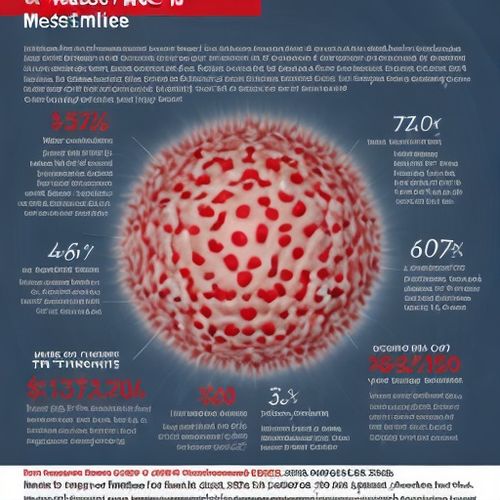
Measles, an airborne illness, is notorious for its ability to spread rapidly and widely. Symptoms typically include a rash, fever, red eyes, and cough, but severe cases can escalate to blindness, pneumonia, encephalitis (swelling of the brain), and even death. The recent outbreak underscores the critical importance of vaccination, as most of the affected individuals are either unvaccinated or have an unknown vaccination status. However, the presence of four cases among individuals who reported being vaccinated highlights the complexity of managing and containing this outbreak.
Health officials in West Texas are taking proactive measures to combat the spread of measles. Local health departments are hosting free vaccination clinics, with the South Plains Public Health District reporting at least 95 measles-mumps-rubella (MMR) vaccinations administered thus far. The clinic has expanded its hours to seven days a week, a testament to the urgency of the situation and the need to reach as many individuals as possible. Despite these efforts, the highly contagious nature of measles means that the number of cases may continue to rise, posing a significant challenge to public health authorities.
The outbreak in West Texas is not an isolated incident. Eight additional cases have been detected in Lea County, New Mexico, which borders Gaines County, Texas. While the New Mexico Department of Health has not confirmed any direct contact with the Texas cases, the proximity of the affected areas raises concerns about cross-border transmission. Of the eight cases in Lea County, six are in unvaccinated individuals, while the remaining two believe they were vaccinated. None of these cases have required hospitalization, but the potential for severe complications remains a pressing concern.
The broader context of this outbreak is alarming. The United States has consistently fallen short of the vaccination coverage goal set by the Department of Health and Human Services, which aims for at least 95% of children in kindergarten to have received two doses of the MMR vaccine. This threshold is crucial for maintaining herd immunity and preventing outbreaks of highly contagious diseases like measles. In Gaines County, Texas, nearly one in five incoming kindergartners in the 2023-2024 school year remained unvaccinated, a stark illustration of the challenges faced in achieving adequate vaccination coverage. Other affected counties in Texas, including Lynn, Lubbock, and Yoakum, hover around 92% vaccination coverage, still below the recommended threshold. The nationwide shortfall in vaccination coverage for four consecutive years has created fertile ground for the resurgence of measles, a disease once thought to be eradicated in the United States.
The recent outbreak serves as a stark reminder of the importance of vaccination in protecting public health. The measles vaccine, part of the MMR combination, is highly effective and has been instrumental in reducing the incidence of this disease globally. However, the resurgence of measles in recent years, with 285 cases reported in the United States last year—the highest number since 2019—underscores the ongoing threat posed by vaccine hesitancy and misinformation.
Vaccine hesitancy, fueled by misinformation and mistrust, has led to pockets of low vaccination coverage, creating vulnerabilities in communities across the country. The presence of four cases among individuals who reported being vaccinated highlights the need for accurate and reliable information about vaccine efficacy and safety. Vaccines, while highly effective, are not foolproof, and breakthrough infections can occur. However, the overall benefits of vaccination in preventing severe illness and reducing transmission far outweigh the risks.
Public health officials are urging communities to take advantage of the free vaccination clinics and to educate themselves about the importance of immunization. The efforts to contain the outbreak in West Texas and New Mexico are commendable, but they also highlight the broader challenges faced in achieving widespread vaccination coverage. The success of these efforts will depend not only on the availability of vaccines but also on the willingness of individuals to protect themselves and their communities through vaccination.
The outbreak in West Texas and the neighboring areas of New Mexico is a wake-up call for the nation. It underscores the critical need for robust public health infrastructure, accurate information dissemination, and community engagement. Vaccination is not just a personal choice; it is a collective responsibility that protects the most vulnerable among us, including young children, the elderly, and those with compromised immune systems.
As we navigate this outbreak and work towards containing it, we must also address the systemic issues that have led to low vaccination coverage. This includes combating misinformation, improving access to healthcare, and fostering trust between public health authorities and communities. The resurgence of measles is a stark reminder of the fragility of public health achievements and the ongoing need for vigilance and action.
In conclusion, the recent measles outbreak in West Texas and New Mexico is a sobering reminder of the importance of vaccination in maintaining public health. The highly contagious nature of measles demands a swift and comprehensive response, including increased vaccination efforts, accurate information dissemination, and community engagement. As we work to contain this outbreak, we must also address the broader challenges of vaccine hesitancy and low vaccination coverage. The health and well-being of our communities depend on our collective commitment to immunization and public health.
By Daniel Scott/Apr 4, 2025

By James Moore/Apr 4, 2025
By Thomas Roberts/Apr 4, 2025

By Michael Brown/Apr 4, 2025

By William Miller/Apr 4, 2025
By Olivia Reed/Apr 4, 2025
By John Smith/Apr 4, 2025
By Emily Johnson/Apr 4, 2025
By Sarah Davis/Apr 4, 2025

By Natalie Campbell/Apr 4, 2025
By Ryan Martin/Apr 4, 2025

By Grace Cox/Feb 25, 2025

By Eric Ward/Feb 25, 2025

By Eric Ward/Feb 25, 2025
By Ryan Martin/Feb 25, 2025
By Victoria Gonzalez/Feb 25, 2025

By Jessica Lee/Feb 25, 2025

By David Anderson/Feb 25, 2025

By Ryan Martin/Feb 25, 2025