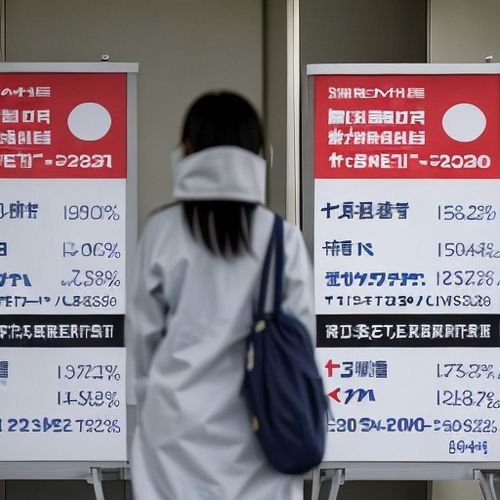
In a bold move to address its escalating mental health crisis, Japan has become the first major economy to mandate depression screening as part of routine annual physical examinations. The policy, which took effect in April 2024, represents a significant shift in how the nation approaches mental healthcare, traditionally stigmatized in Japanese society. However, as the government begins implementing this ambitious program, questions emerge about its financial sustainability and practical effectiveness in combating the country's alarming rates of depression and suicide.
The Economic Burden of Mental Health
Japan's decision comes against a grim backdrop: the country consistently ranks among OECD nations with the highest suicide rates, with economic losses from depression estimated at ¥2.9 trillion (19billion)annuallyinproductivitycosts.Thenewscreeningprogram,coveringallcitizensaged15andabovethroughworkplaceandcommunityhealthchecks,requiresaninitialannualinvestmentof¥180billion(19billion)annuallyinproductivitycosts.Thenewscreeningprogram,coveringallcitizensaged15andabovethroughworkplaceandcommunityhealthchecks,requiresaninitialannualinvestmentof¥180billion(1.2 billion).
This includes costs for standardized questionnaires, follow-up consultations, and training for primary care physicians in mental health assessment. While substantial, proponents argue these expenses pale in comparison to the long-term savings from early intervention. A 2023 Cabinet Office study projected that identifying and treating depression earlier could reduce associated economic losses by 30% within a decade.
Implementation Challenges in Primary Care
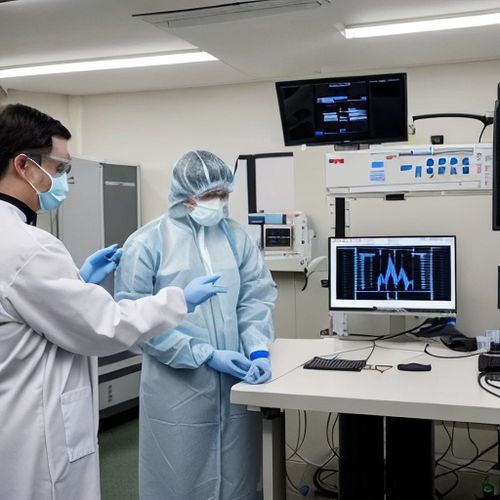
The policy's success hinges on Japan's overburdened primary care system, which currently lacks sufficient mental health specialists. Approximately 60% of community clinics have no psychiatrist on staff, forcing general practitioners to shoulder the diagnostic burden. While the government has allocated ¥32 billion ($210 million) for physician training programs, medical associations warn that a six-month crash course in psychiatric evaluation may prove inadequate. There are also concerns about the screening tools' accuracy when administered by non-specialists, potentially leading to both false positives that strain the system and false negatives that leave vulnerable individuals undiagnosed.
Cultural Barriers and Stigma Reduction
Perhaps the most formidable obstacle lies in overcoming Japan's deeply entrenched cultural stigma surrounding mental health. Despite public awareness campaigns, a 2024 Health Ministry survey found that 43% of respondents would hesitate to report depressive symptoms due to fears of workplace discrimination or social judgment. The screening program includes anonymous options and guarantees confidentiality, but critics question whether these measures go far enough. Some employers have already expressed concerns about the potential impact on personnel decisions, despite legal protections for workers' health privacy.
Cost-Benefit Calculations
The program's financial viability depends on achieving high participation rates and effective treatment follow-through. Early data from pilot programs in Sendai and Osaka show mixed results: while screening participation exceeded 70%, only 35% of identified at-risk individuals pursued further treatment. The government now plans to invest an additional ¥45 billion ($300 million) in digital mental health platforms and telepsychiatry services to improve accessibility, particularly in rural areas where specialist shortages are most acute. Economists suggest that the program's break-even point would require at least 50% of diagnosed cases to receive and respond to treatment—a target that remains uncertain.
Comparative Models and Future Projections
Japan's experiment is being closely watched by other aging societies grappling with similar mental health challenges. Unlike piecemeal approaches tried in some European countries, Japan's nationwide integration of mental and physical health screening is unprecedented in scale. The World Health Organization has praised the policy's preventive approach but cautions that its long-term success will require sustained funding beyond the current five-year budget commitment. As Japan's population continues to age and workforce pressures intensify, the nation's willingness to invest in mental healthcare may set a crucial precedent—or serve as a cautionary tale—for other developed economies considering similar reforms.
The ultimate measure of this policy's worth may extend beyond balance sheets. If successful, it could transform mental healthcare from a societal taboo to a routine aspect of wellness, potentially saving thousands of lives annually. However, as budget debates intensify in Japan's legislature, the program faces scrutiny over whether its noble ambitions can withstand economic realities. One thing remains clear: in a nation where mental health has long been shrouded in silence, simply beginning the conversation represents a profound step forward.

By Daniel Scott/Apr 4, 2025
By James Moore/Apr 4, 2025

By Thomas Roberts/Apr 4, 2025

By Michael Brown/Apr 4, 2025

By William Miller/Apr 4, 2025

By Olivia Reed/Apr 4, 2025
By John Smith/Apr 4, 2025
By Emily Johnson/Apr 4, 2025

By Sarah Davis/Apr 4, 2025
By Natalie Campbell/Apr 4, 2025
By Ryan Martin/Apr 4, 2025

By Grace Cox/Feb 25, 2025

By Eric Ward/Feb 25, 2025

By Eric Ward/Feb 25, 2025
By Ryan Martin/Feb 25, 2025

By Victoria Gonzalez/Feb 25, 2025

By Jessica Lee/Feb 25, 2025

By David Anderson/Feb 25, 2025

By Ryan Martin/Feb 25, 2025