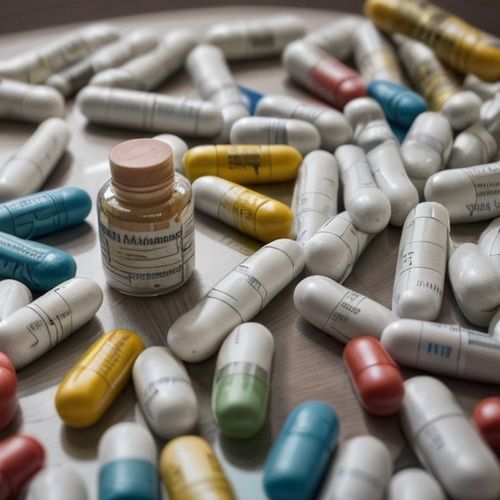
A massive data breach in the UK's National Health Service (NHS) electronic prescription service has compromised the sensitive medical information of over 1.2 million patients, raising urgent questions about cybersecurity preparedness in critical healthcare infrastructure. The incident, detected in late June 2024 but originating from vulnerabilities existing since 2022, allowed unauthorized access to prescription histories, including medications for mental health conditions, HIV treatments, and gender-affirming care—precisely the type of data requiring the highest protection.
The breach occurred through a sophisticated supply chain attack targeting a third-party software provider used by 42% of NHS general practices. Hackers exploited outdated authentication protocols in the electronic prescription system, gaining access not only to current prescriptions but also to archived records dating back seven years. What makes this breach particularly alarming is that the compromised system serves as the backbone of medication management across England, processing nearly 3 million prescriptions daily. Cybersecurity experts note the attackers likely operated for months before detection, exfiltrating data through encrypted channels that bypassed standard monitoring systems.
Patient Fallout and Institutional Response
Reports are emerging of patients receiving blackmail attempts related to their prescription histories, with at least 87 confirmed cases of extortion targeting individuals on controlled substances or sensitive medications. The NHS has established a dedicated support hotline that received over 34,000 calls in its first week of operation, while facing criticism for taking nearly 72 hours to notify affected patients after confirming the breach.
"This isn't just about data—it's about lives," explains Dr. Sarah Chen, a London-based GP whose practice was impacted. "We're seeing patients terrified to renew legitimate prescriptions, individuals abandoning treatment regimens, and vulnerable groups withdrawing from care entirely." The NHS has temporarily restored paper prescriptions in high-risk cases, a logistical nightmare for a system that achieved 89% digital penetration last year.
Systemic Vulnerabilities Laid Bare
Forensic analysis reveals the attack exploited known vulnerabilities in legacy systems that cybersecurity audits had repeatedly flagged. A 2023 internal NHS Digital report obtained by journalists warned of "critical risks" in third-party integrations, specifically noting the prescription service's reliance on deprecated encryption standards. Despite this, upgrade plans were delayed due to budget constraints and concerns about system downtime.
The breach exposes fundamental tensions in healthcare digitization. While electronic prescriptions reduce medication errors by 30% and save the NHS £300 million annually in administrative costs, this incident demonstrates how centralized digital systems create single points of failure. Particularly concerning is the interlinking of prescription data with other NHS databases—a design feature meant to improve care coordination that now appears to have dramatically expanded the breach's impact.
Global Implications and Policy Repercussions
As the UK's Information Commissioner's Office launches an investigation that could result in record fines, the incident is sending shockwaves through healthcare systems worldwide. The European Medicines Agency has issued new guidance on prescription system security, while in the U.S., the FDA is accelerating plans to update decades-old cybersecurity standards for medical data systems.
Within the NHS, the breach has reignited debates about balancing accessibility with security. Proposed emergency measures include mandatory multi-factor authentication for all prescription access and real-time monitoring of data flows—solutions that could add significant friction to clinical workflows. Longer-term, the Department of Health faces tough questions about outsourcing critical systems, with calls growing for in-house development of secure healthcare technologies.
For patients, the psychological impact may prove most enduring. Beyond immediate privacy concerns, the erosion of trust in healthcare data systems could undermine years of progress in digital health adoption. As the NHS scrambles to contain the damage, this breach serves as a sobering reminder that in healthcare's digital transformation, security cannot be an afterthought—especially when the prescription pad becomes a hacker's target.

By Daniel Scott/Apr 4, 2025
By James Moore/Apr 4, 2025

By Thomas Roberts/Apr 4, 2025

By Michael Brown/Apr 4, 2025
By William Miller/Apr 4, 2025

By Olivia Reed/Apr 4, 2025

By John Smith/Apr 4, 2025
By Emily Johnson/Apr 4, 2025
By Sarah Davis/Apr 4, 2025

By Natalie Campbell/Apr 4, 2025
By Ryan Martin/Apr 4, 2025

By Grace Cox/Feb 25, 2025

By Eric Ward/Feb 25, 2025

By Eric Ward/Feb 25, 2025
By Ryan Martin/Feb 25, 2025

By Victoria Gonzalez/Feb 25, 2025
By Jessica Lee/Feb 25, 2025
By David Anderson/Feb 25, 2025

By Ryan Martin/Feb 25, 2025