The African Union's ambitious campaign to distribute the groundbreaking RTS,S malaria vaccine has ignited fierce debates about health equity across the continent, revealing troubling disparities in access to lifesaving prevention. While the World Health Organization's 2021 endorsement of the first-ever malaria vaccine promised relief for a region suffering 95% of global malaria deaths, the rollout has become mired in logistical challenges and allocation disputes that mirror broader global health inequities.
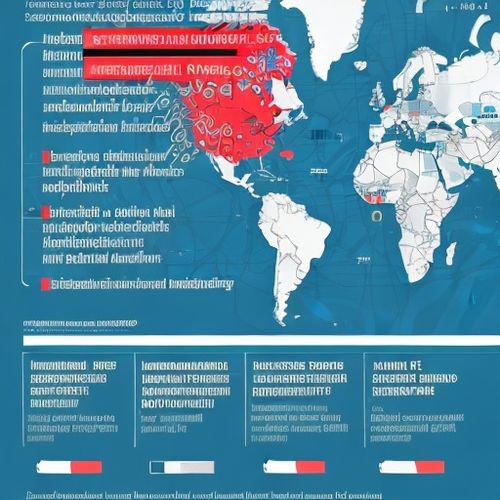
Initial distribution data shows troubling patterns: countries with stronger healthcare infrastructure, like South Africa and Morocco, have vaccinated nearly three times as many children as conflict-affected states such as South Sudan and the Central African Republic. This imbalance persists despite malaria prevalence being significantly higher in the lagging nations. "We're watching the COVID vaccine inequity playbook repeat itself," warns Dr. Amara Ndiaye, a Dakar-based epidemiologist. "The countries that need protection most are receiving it last."
The heart of the controversy lies in the allocation mechanism. The AU's current distribution formula weighs national immunization capacity equally with disease burden, a compromise that was meant to ensure operational feasibility but has effectively penalized nations with weak health systems. Nigeria, which accounts for 31% of Africa's malaria cases, has received just 18% of available doses due to storage limitations and personnel shortages. Meanwhile, smaller nations with better cold chain infrastructure have achieved near-complete coverage in target regions.
Manufacturing constraints have exacerbated the crisis. With only one approved vaccine producer (GSK) currently meeting AU demand, supply falls drastically short of the 40 million annual doses needed. Although new manufacturers are expected to come online in 2025, current production covers barely a third of at-risk children in priority countries. This scarcity has led to painful triaging - some countries are restricting vaccinations to children under 24 months, while others prioritize urban areas where healthcare workers are more concentrated.
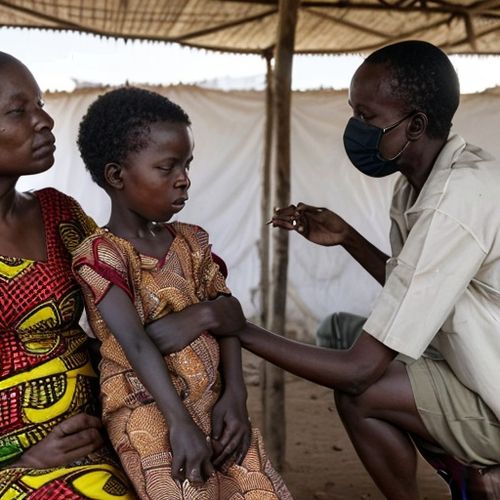
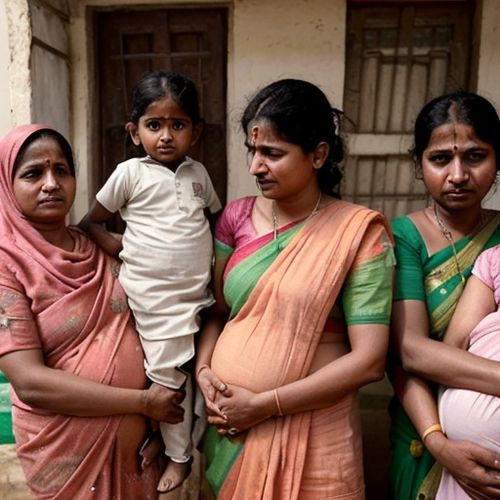
Grassroots organizations report alarming consequences in underserved regions. In rural Mozambique, community health workers describe watching the vaccine "pass by in refrigerated trucks" headed to provincial capitals, while local clinics lack even basic antimalarials. Similar stories emerge from the Democratic Republic of Congo's eastern provinces, where armed conflict has disrupted distribution networks entirely. "This rollout was supposed to correct historical injustices," notes humanitarian worker Jacques Mbuyi. "Instead, it's etching them deeper."
The AU health commission acknowledges these challenges but emphasizes progress where systems function. In Ghana, Malawi and Kenya - pilot countries for the vaccine - early childhood malaria deaths have dropped by 13% in vaccinated cohorts. Commission head John Nkengasong points to innovative solutions being tested, including drone delivery to remote areas and mobile vaccination units in nomadic communities. "Perfect equity is impossible immediately," he argues. "But we're building toward it faster than any previous vaccine introduction."
As the debate continues, global health experts stress that vaccine access is just one piece of Africa's malaria puzzle. Even with ideal distribution, the RTS,S vaccine's moderate efficacy (about 30% against severe cases) means bed nets, diagnostics and treatment access remain critical. The current controversy may ultimately serve as a catalyst for broader reforms - including local vaccine production and health system strengthening - that could reshape pandemic preparedness across the continent.
By Daniel Scott/Apr 4, 2025
By James Moore/Apr 4, 2025
By Thomas Roberts/Apr 4, 2025

By Michael Brown/Apr 4, 2025

By William Miller/Apr 4, 2025
By Olivia Reed/Apr 4, 2025
By John Smith/Apr 4, 2025
By Emily Johnson/Apr 4, 2025
By Sarah Davis/Apr 4, 2025

By Natalie Campbell/Apr 4, 2025
By Ryan Martin/Apr 4, 2025

By Grace Cox/Feb 25, 2025

By Eric Ward/Feb 25, 2025

By Eric Ward/Feb 25, 2025
By Ryan Martin/Feb 25, 2025
By Victoria Gonzalez/Feb 25, 2025
By Jessica Lee/Feb 25, 2025
By David Anderson/Feb 25, 2025

By Ryan Martin/Feb 25, 2025