The Impact of Chile's Lithium Nationalization Policy on the Global Battery Supply Chain

Apr 6, 2025 By Jessica Lee

The global battery supply chain is bracing for significant disruptions following Chile's recent move to nationalize its lithium industry. As the world's second-largest producer of lithium, Chile's decision to bring this critical resource under state control has sent shockwaves through industries ranging from electric vehicles to renewable energy storage. The policy shift represents more than just a change in ownership structure—it signals a fundamental realignment in how one of the planet's most sought-after minerals will be extracted, processed, and distributed to international markets.


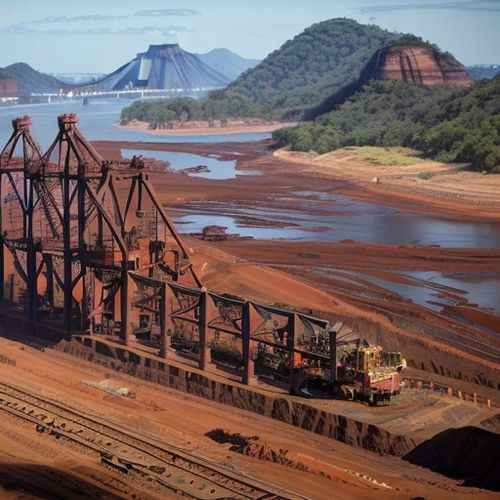
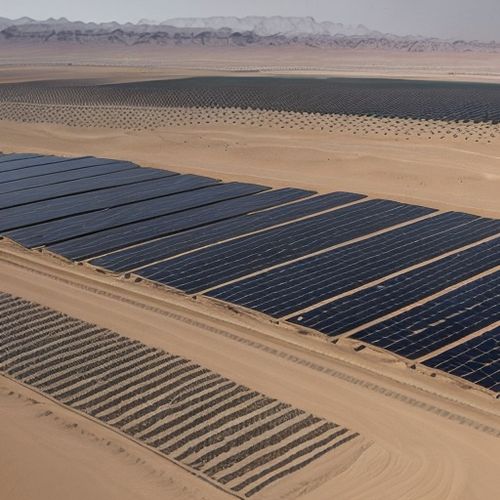
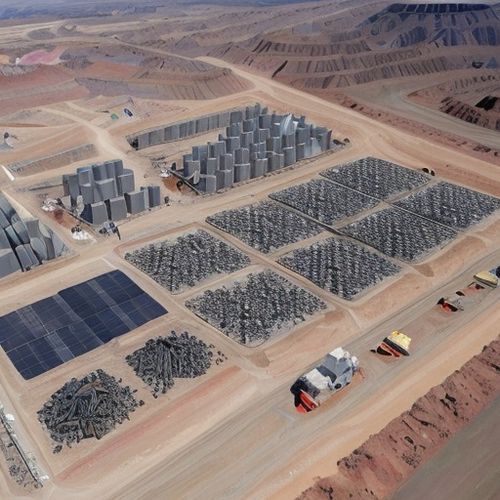
Located in the mineral-rich Atacama Desert, Chile's lithium reserves account for nearly 40% of global reserves. For decades, private companies including Albemarle and SQM have operated in the Salar de Atacama under government contracts. The nationalization policy, announced by President Gabriel Boric in April 2023, will see the state take a majority stake in all new lithium projects while renegotiating existing contracts with private operators. This development comes as global lithium demand is projected to quadruple by 2030, driven primarily by the electric vehicle revolution.


The immediate market reaction to Chile's announcement was telling. Lithium carbonate prices jumped 15% on international markets within days of the policy reveal, reflecting investor concerns about potential supply constraints. Battery manufacturers and automakers who had grown accustomed to stable Chilean output suddenly found themselves reassessing their long-term sourcing strategies. The price volatility underscores lithium's critical role in the energy transition—there are currently no commercially viable alternatives for lithium-ion batteries that power everything from smartphones to grid-scale storage systems.


Chile's decision didn't occur in isolation. It follows a broader trend of resource nationalism across Latin America, where governments are increasingly asserting control over strategic minerals. Mexico nationalized its lithium deposits in 2022, while Bolivia has maintained state control over its vast but technically challenging reserves. Even developed nations like Canada have moved to restrict foreign investment in critical minerals. What makes Chile's case particularly significant is its established production capacity and existing integration into global supply chains.


The practical implications of nationalization will take years to fully materialize. Chile has promised to honor existing contracts until they expire between 2030 and 2043, providing some short-term stability. However, the uncertainty surrounding future investment terms has already caused several expansion projects to be put on hold. Industry analysts worry that reduced private sector participation could lead to slower production growth precisely when global demand is surging. State-run enterprises often lack the capital efficiency and technological edge of multinational mining corporations.


Environmental considerations played a major role in Chile's policy shift. Lithium extraction in the Atacama requires pumping massive amounts of brine from underground reservoirs—a process that has drawn criticism for its water usage in one of the world's driest regions. The government claims nationalization will allow for more sustainable practices, though skeptics argue that production quotas and environmental standards could have been implemented without full state control. How Chile balances ecological concerns with production demands will be closely watched by other lithium-producing nations facing similar dilemmas.


Alternative lithium sources are suddenly looking more attractive to battery makers. Australia, currently the world's top producer, could see increased investment in its hard-rock lithium mines. Projects in Argentina's portion of the Lithium Triangle may accelerate, though that country faces its own economic uncertainties. Even smaller players like Zimbabwe and Portugal are receiving renewed attention from resource-hungry manufacturers. Perhaps most significantly, the situation provides fresh impetus for North American and European efforts to develop domestic lithium supplies and reduce reliance on imports.


The technology sector isn't standing still either. Battery researchers have redoubled efforts to develop sodium-ion and other lithium-free alternatives, though these technologies remain years away from mass adoption. Recycling initiatives are gaining traction as well, with several startups now specializing in extracting lithium from used batteries. While these solutions won't replace primary lithium production in the near term, they're creating important diversification in the battery supply chain.


Long-term contracts are becoming the new normal in lithium trading as companies seek to lock in supplies. Automakers like Tesla and BMW are going directly to mining companies with multi-year offtake agreements, sometimes even providing upfront financing for development projects. This vertical integration reflects how seriously manufacturers are taking supply security in the wake of Chile's policy change. The traditional spot market for lithium may become increasingly marginal as these direct relationships dominate the industry.


Chile's lithium nationalization marks a pivotal moment in the global energy transition. As nations and corporations scramble to adapt, one thing becomes clear: the race to power the electric future has entered a new phase of geopolitical complexity. The decisions made in Santiago boardrooms over the coming years will reverberate through showrooms in Stuttgart, assembly lines in Shanghai, and policy debates in Washington. How this plays out will shape not just the automotive industry, but the broader transition away from fossil fuels.

Recommend Posts
Business

Analysis of Nearshoring Capacity Bottlenecks in Mexico

By Grace Cox/Apr 6, 2025

The concept of nearshoring has gained significant traction in recent years, particularly as global supply chains face disruptions and companies seek more resilient alternatives. Mexico, with its proximity to the United States and competitive labor costs, has emerged as a prime destination for nearshoring. However, despite its apparent advantages, Mexico’s nearshoring potential is constrained by several critical bottlenecks that could hinder its ability to fully capitalize on this opportunity.
Business

Surge in LNG Ship Orders: Technological Edge of South Korea's Shipbuilding Industry

By Amanda Phillips/Apr 6, 2025

South Korea's shipbuilding industry has long been recognized as a global leader, but recent surges in LNG carrier orders have highlighted its unparalleled technological edge. The country's big three shipbuilders—Hyundai Heavy Industries, Samsung Heavy Industries, and Daewoo Shipbuilding & Marine Engineering—have collectively secured over 70% of global LNG vessel contracts in 2023. This dominance stems not from low-cost production but from cutting-edge innovations that competitors struggle to replicate.
Business

Market Reaction to Australian Iron Ore Giants' Production Cuts to Protect Prices

By Michael Brown/Apr 6, 2025

The Australian iron ore industry has long been a dominant force in global markets, but recent strategic shifts by major players have sent ripples through the sector. Giants like BHP, Rio Tinto, and Fortescue Metals Group have implemented deliberate production cuts to stabilize plummeting prices, a move that has drawn both praise and skepticism from analysts and investors alike. The decision to prioritize price over volume marks a significant departure from the traditional growth-centric approach that defined the industry for decades.
Business

Corporate Lobbying Battle in the Allocation of U.S. CHIPS Act Subsidies

By William Miller/Apr 6, 2025

The battle over semiconductor subsidies under the U.S. CHIPS Act has intensified as major tech firms and chip manufacturers engage in aggressive lobbying efforts to secure a larger share of the $52 billion funding pool. Behind the scenes, corporate giants are deploying teams of lobbyists, leveraging political connections, and even reshaping their business strategies to align with the Biden administration’s priorities. What was envisioned as a straightforward boost to domestic chip production has morphed into a high-stakes political and economic contest, with billions of dollars—and potentially the future of American tech dominance—hanging in the balance.
Business

The Commercialization Dilemma of Hydrogen Energy Strategies by Middle Eastern Oil Giants

By Elizabeth Taylor/Apr 6, 2025

The Middle East’s oil-rich nations have long been synonymous with black gold, but in recent years, they’ve aggressively pivoted toward hydrogen as the next frontier of energy. With vast solar and wind resources, these countries are positioning themselves as potential leaders in green hydrogen production. Yet, beneath the ambitious announcements and gleaming pilot projects lies a harsh reality: the commercialization of hydrogen remains fraught with challenges.
Business

The Impact of Chile's Lithium Nationalization Policy on the Global Battery Supply Chain

By Jessica Lee/Apr 6, 2025

The global battery supply chain is bracing for significant disruptions following Chile's recent move to nationalize its lithium industry. As the world's second-largest producer of lithium, Chile's decision to bring this critical resource under state control has sent shockwaves through industries ranging from electric vehicles to renewable energy storage. The policy shift represents more than just a change in ownership structure—it signals a fundamental realignment in how one of the planet's most sought-after minerals will be extracted, processed, and distributed to international markets.
Business

Return Analysis of Norway's Sovereign Fund Divesting from Fossil Fuel Investments

By Olivia Reed/Apr 6, 2025

The Norwegian sovereign wealth fund, officially known as the Government Pension Fund Global (GPFG), has long been a beacon of prudent investment strategy and ethical considerations. With assets exceeding $1.4 trillion, it stands as the world’s largest sovereign wealth fund. In recent years, one of its most debated decisions has been the gradual divestment from fossil fuel investments. This move, framed as both a moral and financial strategy, has sparked extensive analysis regarding its impact on the fund’s overall returns.
Business

German Auto Giant's Adjustments to North American Electric Vehicle Strategy

By Victoria Gonzalez/Apr 6, 2025

The once-unstoppable march toward electric vehicle dominance in North America has hit an inflection point, prompting Germany's automotive titans to recalibrate their approaches. Volkswagen, BMW, and Mercedes-Benz are quietly rewriting their playbooks as consumer demand patterns diverge sharply from earlier projections. What began as a wholesale transition to battery-powered fleets now appears more nuanced, with hybrid technologies and ICE model lifecycles gaining unexpected reprieves.
Business

ExxonMobil Lawsuit Stemming from ESG Dispute with Activist Investors"

By Benjamin Evans/Apr 6, 2025

The recent lawsuit filed by ExxonMobil against two climate-focused activist investors has ignited fresh debate about the role of environmental, social, and governance (ESG) considerations in corporate decision-making. The oil giant's unprecedented legal action signals a hardening of corporate resistance against shareholder proposals pushing for faster climate action.
Business

The Impact of EU Carbon Border Adjustment Mechanism (CBAM) on Asian Manufacturing Industries

By Emma Thompson/Apr 6, 2025

The European Union's Carbon Border Adjustment Mechanism (CBAM) is poised to reshape global trade dynamics, with Asian manufacturing economies facing particularly complex challenges. As the world's factory floor, Asia's export-oriented industries must now grapple with a new layer of compliance that could fundamentally alter their competitive positioning in European markets.
Business

Goldman Sachs' Restructuring of Investment Banking Reflects Market Trend Changes

By William Miller/Apr 6, 2025

The recent restructuring of Goldman Sachs' investment banking division has sent ripples through Wall Street, serving as a bellwether for broader shifts in global financial markets. As one of the most influential players in the industry, Goldman's strategic pivot reflects deeper currents reshaping the landscape of high finance – from the retreat of pandemic-era dealmaking bonanzas to the resurgence of old-school advisory work in an era of economic uncertainty.
Business

Goldman Sachs' Restructuring of Investment Banking Reflects Shifts in Market Trends

By Grace Cox/Apr 6, 2025

The recent restructuring of Goldman Sachs' investment banking division has sent ripples through Wall Street, serving as a bellwether for broader shifts in global financial markets. As one of the most influential players in the industry, Goldman's strategic pivot reflects deeper currents reshaping the landscape of high finance – from the retreat of pandemic-era dealmaking bonanzas to the resurgence of old-school advisory work in an era of economic uncertainty.
Business

African Mobile Payment Competition: The Game Between M-Pesa and Flutterwave

By Benjamin Evans/Apr 6, 2025

The African fintech landscape has become a battleground for mobile payment supremacy, with two dominant players emerging as frontrunners: M-Pesa and Flutterwave. While both platforms facilitate digital transactions, their approaches, histories, and market penetrations tell vastly different stories about the future of financial inclusion on the continent.
Business

New Vietnam's Non-Performing Loan Disposal Rules Attract International Vulture Funds

By Jessica Lee/Apr 6, 2025

Vietnam's banking sector is undergoing a quiet revolution as new regulations aimed at accelerating bad debt resolution begin attracting deep-pocketed international distressed asset investors. The Southeast Asian nation, long plagued by non-performing loans (NPLs) lingering on bank balance sheets, has implemented sweeping changes to its legal framework that are drawing specialized foreign funds looking for bargain purchases of troubled assets.
Business

London Financial District Surpasses New York in Financial Trading Volume for the First Time Post-Brexit

By Elizabeth Taylor/Apr 6, 2025

In a surprising turn of events, the City of London has surpassed New York in financial trading volumes for the first time since the Brexit referendum. This development comes as a shock to many analysts who predicted a steady decline in London's financial dominance after the UK's departure from the European Union. The latest data shows London's trading floors buzzing with activity, while Wall Street experiences an unusual slowdown.
Business

Assessment of Argentina's Economic Reality Two Years After Legalizing Bitcoin

By David Anderson/Apr 6, 2025

Two years after Argentina made headlines by becoming one of the first Latin American nations to legalize Bitcoin as a form of payment, the economic landscape tells a complex story of cautious optimism, unmet expectations, and unintended consequences. While the move was initially celebrated as a bold step toward financial innovation, the reality on the ground has been far more nuanced, shaped by inflation, regulatory hurdles, and the volatile nature of cryptocurrency itself.
Business

The Investment Logic of Saudi Sovereign Fund (PIF) in European Football Clubs

By Elizabeth Taylor/Apr 6, 2025

The Saudi Public Investment Fund (PIF) has emerged as one of the most aggressive and strategic investors in global sports, particularly in European football. Unlike traditional sovereign wealth funds that prioritize stable, long-term returns, PIF’s approach to football club investments is multifaceted, blending financial objectives with broader geopolitical and economic ambitions. The fund’s acquisitions—such as Newcastle United in the English Premier League and its heavy involvement in the Saudi Pro League—signal a calculated play to diversify Saudi Arabia’s economy while leveraging football’s soft power.
Business

Key Factors Behind India's IPO Market Outperforming Hong Kong

By Joshua Howard/Apr 6, 2025

The Indian IPO market has recently overtaken Hong Kong in terms of activity, marking a significant shift in the Asian financial landscape. This development reflects broader economic trends, investor sentiment, and structural changes in both markets. While Hong Kong has long been a dominant hub for initial public offerings in Asia, India's surge highlights its growing appeal to both domestic and international investors. The reasons behind this shift are multifaceted, involving regulatory adjustments, macroeconomic conditions, and evolving market dynamics.
Business

Market Reaction to the Increase of Singapore Family Office Threshold to 100 Million SGD

By Daniel Scott/Apr 6, 2025

The recent announcement by the Monetary Authority of Singapore (MAS) to raise the minimum assets under management (AUM) requirement for family offices from S$20 million to S$100 million has sent ripples through the wealth management industry. This bold move, effective immediately for new applicants, represents one of the most significant regulatory shifts in Singapore's decade-long campaign to position itself as Asia's premier wealth management hub. Market participants are still digesting the implications of what some analysts are calling a "strategic recalibration" of Singapore's value proposition to ultra-high-net-worth individuals (UHNWIs).
Business

The New Wealth Management Ecosystem After the End of Swiss Bank Secrecy

By John Smith/Apr 6, 2025

The once-impenetrable fortress of Swiss banking secrecy has crumbled, leaving wealth managers scrambling to adapt to a new era of transparency. For generations, the mere mention of Swiss accounts conjured images of numbered vaults and absolute discretion. Today, that legendary privacy exists only in spy novels and aging clients' nostalgia. The convergence of global tax enforcement initiatives like FATCA and CRS with Switzerland's reluctant compliance has fundamentally rewired the psychology of offshore wealth management.