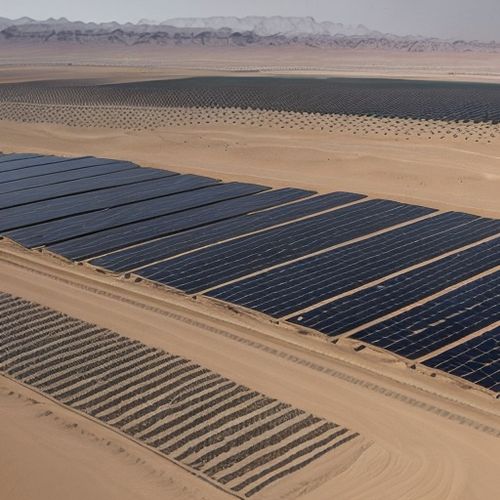
The Middle East’s oil-rich nations have long been synonymous with black gold, but in recent years, they’ve aggressively pivoted toward hydrogen as the next frontier of energy. With vast solar and wind resources, these countries are positioning themselves as potential leaders in green hydrogen production. Yet, beneath the ambitious announcements and gleaming pilot projects lies a harsh reality: the commercialization of hydrogen remains fraught with challenges.
Hydrogen, particularly green hydrogen produced using renewable energy, has been hailed as a silver bullet for decarbonizing industries like steel, shipping, and aviation. Saudi Arabia, the UAE, and Oman have all unveiled multi-billion-dollar hydrogen strategies, betting big on exports to Europe and Asia. But translating these plans into profitable, large-scale operations is proving far more difficult than anticipated.
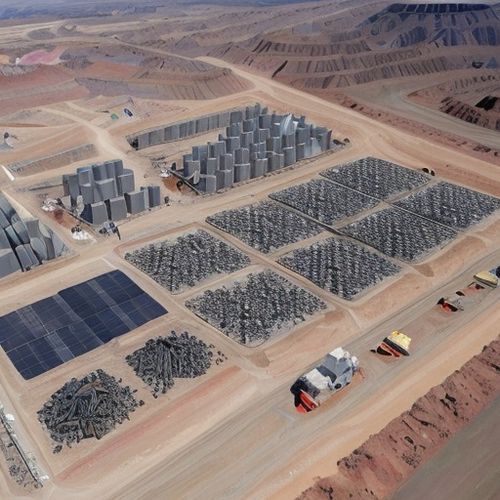
Infrastructure bottlenecks are among the most pressing issues. Unlike oil, hydrogen cannot be easily transported using existing pipelines and tankers without significant modifications. Building new infrastructure requires staggering capital expenditures, and investors remain wary of committing funds without guaranteed offtake agreements. "The market is still in its infancy," says a Dubai-based energy analyst. "Nobody wants to be the first to pour billions into a supply chain that might not materialize."
Another critical hurdle is cost competitiveness. Despite the Middle East’s abundant renewable resources, green hydrogen remains two to three times more expensive than grey hydrogen, which is produced from natural gas. While costs are expected to decline with scale, the timeline for parity remains uncertain. In the meantime, oil giants face stiff competition from regions like Australia and Chile, which are also racing to establish themselves as hydrogen hubs.
Demand-side uncertainties further complicate the picture. Many industries touted as future hydrogen consumers—such as heavy transport and power generation—are still in the experimental phase. Without binding regulatory mandates or carbon pricing mechanisms, companies have little incentive to switch from cheaper, carbon-intensive alternatives. "The offtake agreements we see today are mostly symbolic," remarks a Riyadh-based project developer. "Real demand won’t materialize until policies force it."
Geopolitical factors also loom large. Europe, the most promising export market, is aggressively developing its own hydrogen capabilities to reduce reliance on imports. Meanwhile, Asian buyers are hedging their bets, signing memorandums of understanding with multiple suppliers but avoiding long-term commitments. This leaves Middle Eastern producers in a precarious position, unsure whether their investments will secure a dominant market position or become stranded assets.
Technological risks add another layer of complexity. While proton exchange membrane (PEM) electrolyzers are the current frontrunner for green hydrogen production, emerging technologies like solid oxide electrolyzers could disrupt the landscape. Betting on the wrong technology could prove costly. "The industry is evolving so rapidly that today’s state-of-the-art facility might be obsolete in five years," warns an Omani energy consultant.
Despite these challenges, the Middle East’s oil giants are pressing ahead, leveraging their deep pockets and energy expertise. Saudi Arabia’s NEOM megaproject, which includes a $5 billion green hydrogen plant, is a prime example. Yet even here, skeptics question whether such ventures can achieve commercial viability without heavy government subsidies—a model that may not be sustainable in the long run.
The region’s hydrogen ambitions are further complicated by the competing priorities of its oil-dependent economies. While renewable energy ministries champion green hydrogen, traditional oil and gas factions continue to push for blue hydrogen—produced from fossil fuels with carbon capture—as a transitional solution. This internal tension risks diluting focus and slowing progress.
As the world watches the Middle East’s hydrogen experiment unfold, one thing is clear: the road from strategy to profitability will be longer and more arduous than many anticipated. The region’s vast resources and strategic location give it undeniable advantages, but overcoming the commercialization hurdles will require more than just deep pockets and sunny skies. It will demand patience, policy coordination, and perhaps most crucially, a willingness to accept that not every ambitious energy transition bet will pay off.
By Grace Cox/Apr 6, 2025
By Amanda Phillips/Apr 6, 2025
By Michael Brown/Apr 6, 2025
By William Miller/Apr 6, 2025
By Elizabeth Taylor/Apr 6, 2025
By Jessica Lee/Apr 6, 2025

By Olivia Reed/Apr 6, 2025
By Victoria Gonzalez/Apr 6, 2025
By Benjamin Evans/Apr 6, 2025
By Emma Thompson/Apr 6, 2025

By William Miller/Apr 6, 2025
By Grace Cox/Apr 6, 2025

By Benjamin Evans/Apr 6, 2025
By Jessica Lee/Apr 6, 2025

By Elizabeth Taylor/Apr 6, 2025

By David Anderson/Apr 6, 2025

By Elizabeth Taylor/Apr 6, 2025
By Joshua Howard/Apr 6, 2025
By Daniel Scott/Apr 6, 2025

By John Smith/Apr 6, 2025