The concept of nearshoring has gained significant traction in recent years, particularly as global supply chains face disruptions and companies seek more resilient alternatives. Mexico, with its proximity to the United States and competitive labor costs, has emerged as a prime destination for nearshoring. However, despite its apparent advantages, Mexico’s nearshoring potential is constrained by several critical bottlenecks that could hinder its ability to fully capitalize on this opportunity.
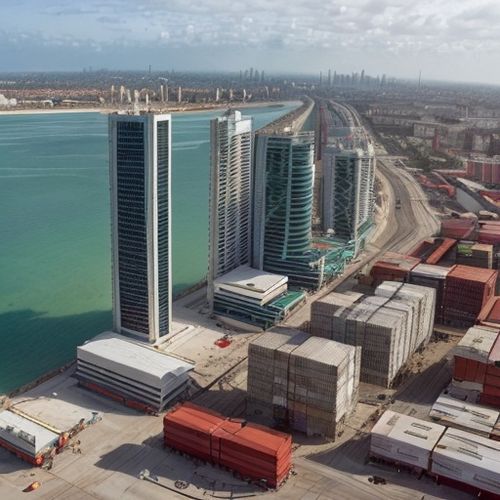
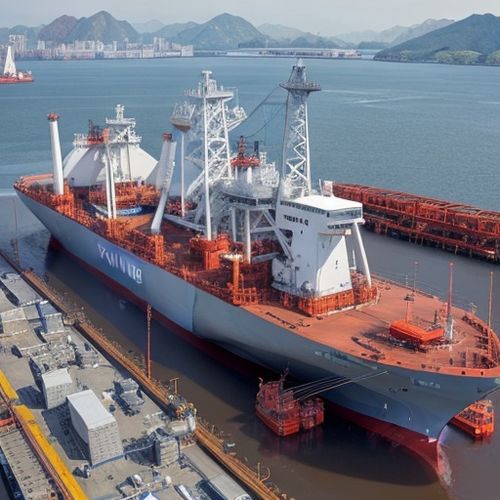
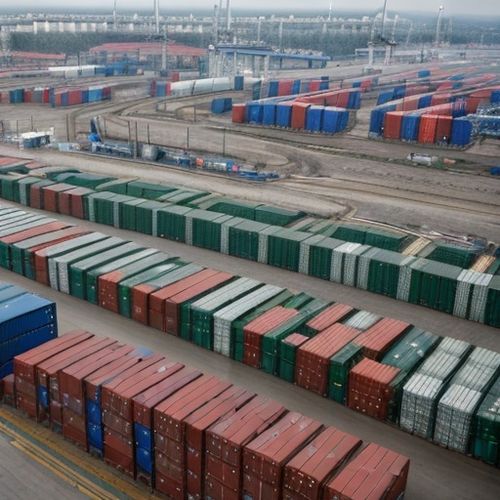
Infrastructure limitations remain one of the most pressing challenges for Mexico’s nearshoring ambitions. While major industrial hubs like Monterrey and Mexico City boast relatively developed infrastructure, many other regions lack the necessary transportation networks, reliable electricity, and modern logistics facilities to support large-scale manufacturing operations. Ports, highways, and rail systems often suffer from congestion and inefficiencies, leading to delays and increased costs. Without substantial investment in infrastructure, Mexico will struggle to accommodate the influx of businesses looking to relocate operations closer to the U.S. market.
Another significant hurdle is the shortage of skilled labor in key industries. Although Mexico has a large workforce, there is a mismatch between the skills demanded by advanced manufacturing sectors—such as aerospace, automotive, and electronics—and the training available to workers. Technical education programs have not kept pace with industry needs, leaving many companies to invest heavily in on-the-job training. This skills gap not only slows down production but also limits Mexico’s ability to move up the value chain and compete with more technologically advanced economies.
The regulatory environment in Mexico also presents challenges for nearshoring. While the government has made efforts to streamline business regulations, bureaucratic red tape and inconsistent enforcement of laws continue to frustrate investors. Permitting processes can be slow and opaque, and legal disputes often drag on due to an overburdened judicial system. Additionally, corruption remains a persistent issue, eroding trust in public institutions and deterring some foreign companies from establishing operations in the country.
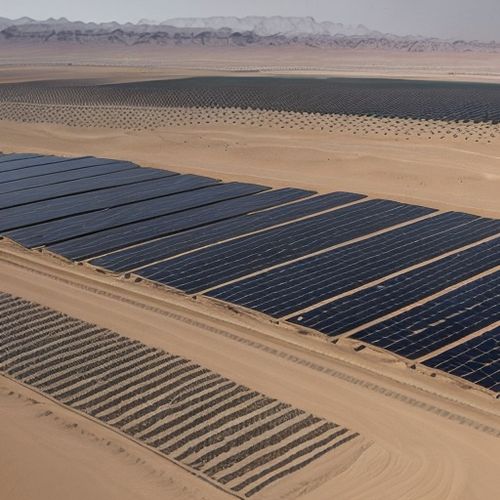
Energy reliability is another critical concern. Mexico’s electricity grid is plagued by inefficiencies, and frequent power outages disrupt manufacturing operations. The government’s focus on state-owned energy companies has discouraged private investment in renewable energy projects, leaving many industries dependent on less reliable and more expensive power sources. For companies prioritizing sustainability, Mexico’s energy landscape may not yet meet their requirements, pushing them to consider alternative nearshoring destinations with greener energy solutions.
Security risks further complicate Mexico’s nearshoring prospects. Organized crime and violence in certain regions pose serious threats to business operations, supply chains, and employee safety. While some industrial zones are relatively secure, the broader security situation remains volatile, requiring companies to allocate additional resources for risk mitigation. This not only increases operational costs but also creates uncertainty for long-term investment decisions.
Despite these bottlenecks, Mexico still holds considerable potential as a nearshoring hub. Its geographic advantage, trade agreements like the USMCA, and growing manufacturing expertise provide a strong foundation. However, addressing these challenges will require coordinated efforts between the public and private sectors. Investments in infrastructure, education, and energy, along with regulatory reforms and improved security measures, could unlock Mexico’s full nearshoring potential and solidify its position as a preferred alternative to Asian manufacturing bases.
The window of opportunity is open, but it may not remain so indefinitely. As other Latin American countries and even some U.S. states ramp up their own nearshoring initiatives, Mexico must act swiftly to overcome its limitations. The rewards for doing so are substantial—transforming the country into a global manufacturing powerhouse and driving economic growth for years to come.
By Grace Cox/Apr 6, 2025
By Amanda Phillips/Apr 6, 2025
By Michael Brown/Apr 6, 2025

By William Miller/Apr 6, 2025
By Elizabeth Taylor/Apr 6, 2025
By Jessica Lee/Apr 6, 2025
By Olivia Reed/Apr 6, 2025

By Victoria Gonzalez/Apr 6, 2025

By Benjamin Evans/Apr 6, 2025
By Emma Thompson/Apr 6, 2025

By William Miller/Apr 6, 2025
By Grace Cox/Apr 6, 2025

By Benjamin Evans/Apr 6, 2025
By Jessica Lee/Apr 6, 2025

By Elizabeth Taylor/Apr 6, 2025

By David Anderson/Apr 6, 2025

By Elizabeth Taylor/Apr 6, 2025
By Joshua Howard/Apr 6, 2025
By Daniel Scott/Apr 6, 2025

By John Smith/Apr 6, 2025